
29 Mar An Introduction to Yoga Nidra (Yoga in Heston)
Yoga Nidra, often referred to as yogic sleep, is a powerful meditation technique derived from ancient tantric traditions. Unlike many forms of yoga that involve physical postures or strenuous movement, Yoga Nidra is practiced lying down in a state of total stillness. It is designed to guide the practitioner into a deep state of conscious relaxation, hovering between wakefulness and sleep.
The Essence of Yoga Nidra
The term is a combination of two Sanskrit words: ‘yoga’, meaning union or one-pointed awareness, and ‘nidra’, meaning sleep. During a session, the body rests deeply while the mind remains alert and receptive. This state allows the nervous system to switch from the sympathetic ‘fight or flight’ mode to the parasympathetic ‘rest and digest’ mode, facilitating physical and emotional healing.
The Structure of a Session
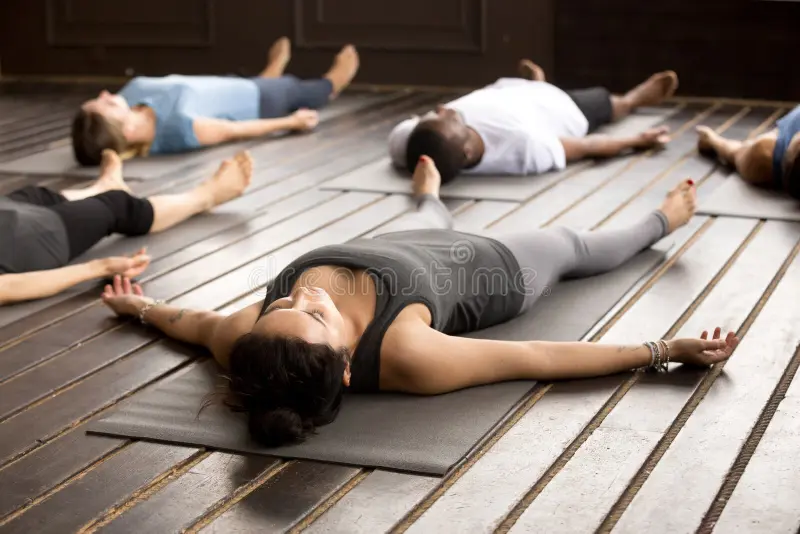
A typical Yoga Nidra practice follows a systematic process, usually lasting between twenty and forty-five minutes. It is traditionally practiced in Shavasana (corpse pose), with the body supported by blankets or cushions to ensure complete comfort.
1. Setting a Sankalpa
The practice often begins with the silent mental repetition of a Sankalpa, or a ‘resolve’. This is a short, positive statement in the present tense, such as “I am at peace” or “I am healthy.” Because the mind is highly receptive during Yoga Nidra, the Sankalpa is believed to plant a seed in the subconscious mind to create lasting personal change.
2. Rotation of Consciousness
The facilitator guides the practitioner’s awareness through different parts of the body in a specific sequence. By focusing on the right hand, the wrist, the elbow, and so on, the mind is kept occupied and prevented from wandering into stressful thoughts or falling into a deep, unconscious sleep.
3. Breath Awareness
Practitioners are encouraged to observe their natural breath without trying to change it. This stage further settles the mind and deepens the relaxation of the physical body.
4. Emotional and Sensory Exploration
The practice may involve imagining opposite sensations, such as heat and cold, or heaviness and lightness. This helps the brain balance the hemispheres and teaches the practitioner to remain a detached observer of their feelings and sensations.
5. Visualisation
Guided imagery is often used to unlock the subconscious. This might include visualising a peaceful landscape or specific symbols, which helps to release stored mental tensions and promote a sense of inner harmony.
The Benefits for our Modern Life
In a fast-paced world where many people suffer from chronic stress and sleep deprivation, Yoga Nidra offers a sanctuary of calm. It is widely used to manage anxiety, improve sleep quality, and enhance cognitive function. Research suggests that a single session of Yoga Nidra can be as restorative as several hours of conventional sleep, making it an invaluable tool for mental well-being.
How to Start the Practice
One of the greatest advantages of Yoga Nidra is its accessibility. It requires no flexibility or prior experience with yoga. Beginners can easily find guided recordings online or better yet is to join our Thursday night restorative Yoga Class to experience the benefits of a live facilitator. All that is required is a quiet space where you will not be disturbed and a willingness to remain still and listen.
No Comments