
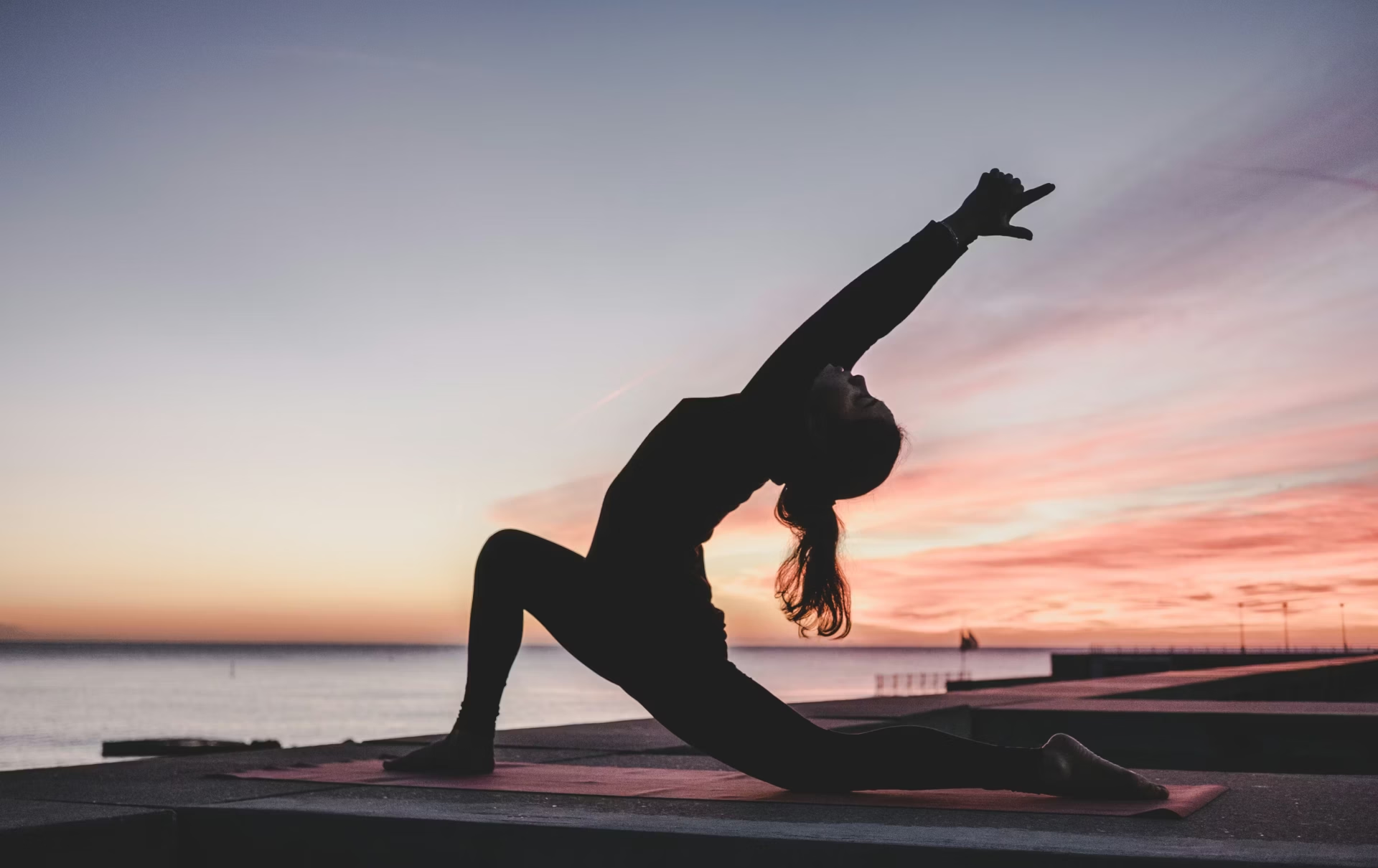
30 Mar What is Hatha Yoga? (Yoga in Heston, Hounslow)
Hatha Yoga is a foundational branch of yoga that focuses on physical techniques to preserve and channel vital energy. The term is derived from the Sanskrit words ha, meaning sun, and tha, meaning moon. This reflects the practice’s core objective: balancing the opposing energies within the human body. These are the active, heating solar energy and the receptive, cooling lunar energy.
In the modern Western world, Hatha is often used as an umbrella term for most types of physical yoga. However, in a traditional sense, it refers to a specific system that prepares the body for deeper spiritual practices, such as meditation and Raja Yoga.
The Core Elements of Practice
The practice of Hatha Yoga is traditionally composed of several key components designed to purify the body and steady the mind.
Asana
These are the physical postures that most people associate with yoga today. Unlike more vigorous styles like Vinyasa, a Hatha class typically moves at a slower pace. Practitioners hold poses for several breaths, allowing for a focus on alignment, muscle engagement, and stretching.
Pranayama
This refers to the regulation of the breath. In Hatha Yoga, the breath is considered the bridge between the body and the mind. Techniques such as Nadi Shodhana (alternate nostril breathing) are used to clear energy channels and calm the nervous system.
Shatkarma
These are the six purification techniques used to cleanse the internal organs. While less common in general studio classes, traditional Hatha involves practices like Neti (nasal cleansing) to ensure the body is free of toxins and blockages.
The Benefits of a Consistent Practice
Engaging in Hatha Yoga offers a holistic range of benefits that cater to both physical health and mental well-being.
-
Physical Flexibility and Strength: The deliberate nature of the postures helps to lengthen muscles and improve joint mobility while building functional strength through isometric holds.
-
Stress Reduction: By focusing on deep, rhythmic breathing, the practice activates the parasympathetic nervous system, helping to lower cortisol levels and reduce anxiety.
-
Improved Posture: Many Hatha poses focus on spinal alignment and core stability, which is particularly beneficial for those who spend long hours at a desk.
-
Mental Clarity: The requirement to focus entirely on the movement and the breath acts as a form of moving meditation, sharpening concentration and providing a sense of inner peace.
What to Expect in a Hatha Class
If you are attending a Hatha Yoga session in the UK today, you can expect a balanced and accessible experience. A typical class begins with a gentle warm-up, moves into a series of standing and seated postures, and concludes with a period of relaxation known as Savasana (Corpse Pose).
Because of its slower pace, it is an excellent entry point for beginners. It provides the time necessary to learn the mechanics of each pose safely without the pressure of fast-paced transitions. However, experienced practitioners also find value in Hatha, using the extended holds to refine their technique and deepen their mindfulness.
No Comments